One common thread ran through our conversations with heritage professionals and historians: the people best positioned to protect these monuments in the long run are not archaeologists or policy-makers. They are the students sitting in classrooms across Delhi and across the country who have never been told that this history belongs to them.
Education is what conservation actually depends on. Institutions can protect a monument from demolition. Only an informed public can protect it from indifference.
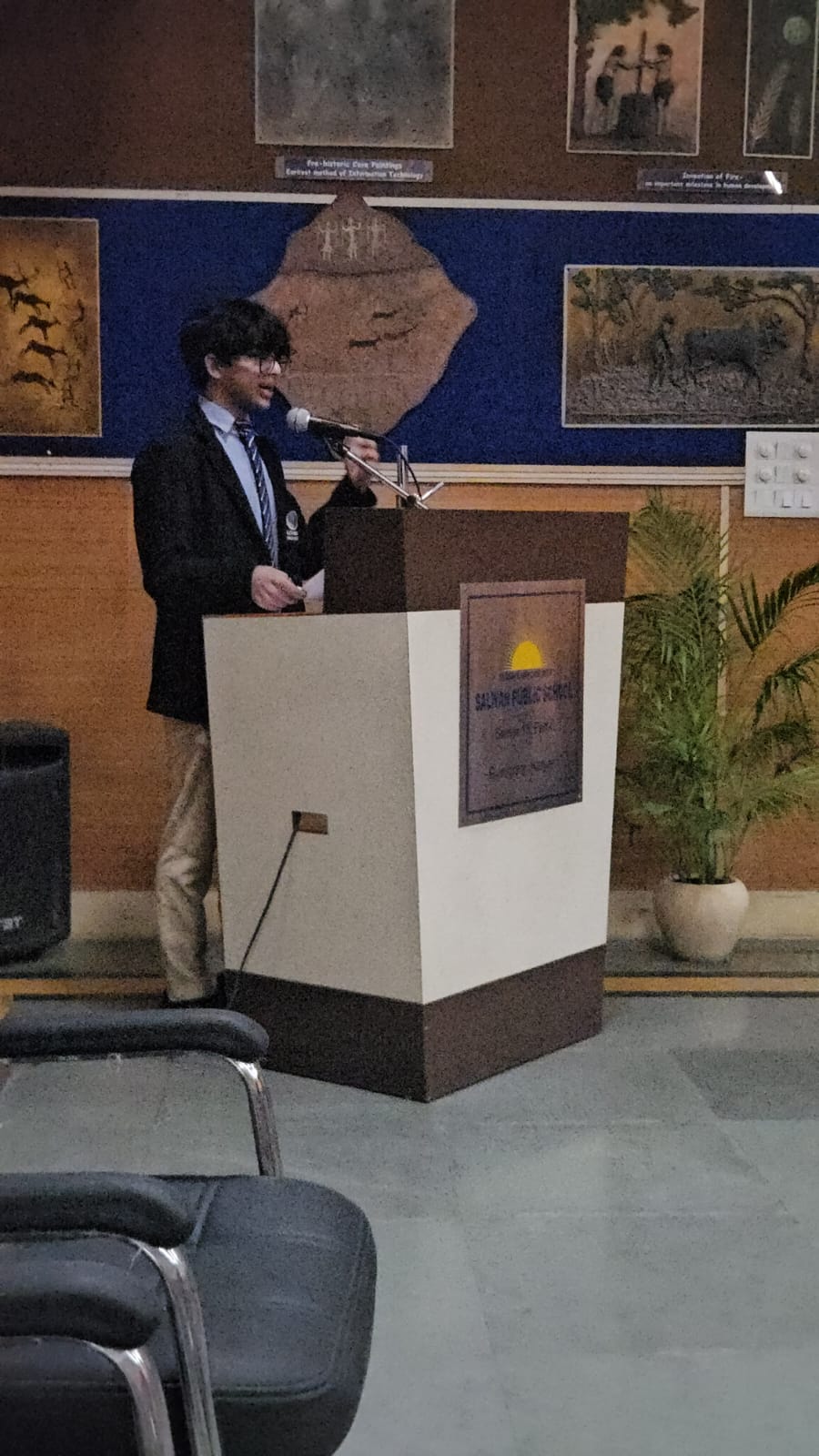
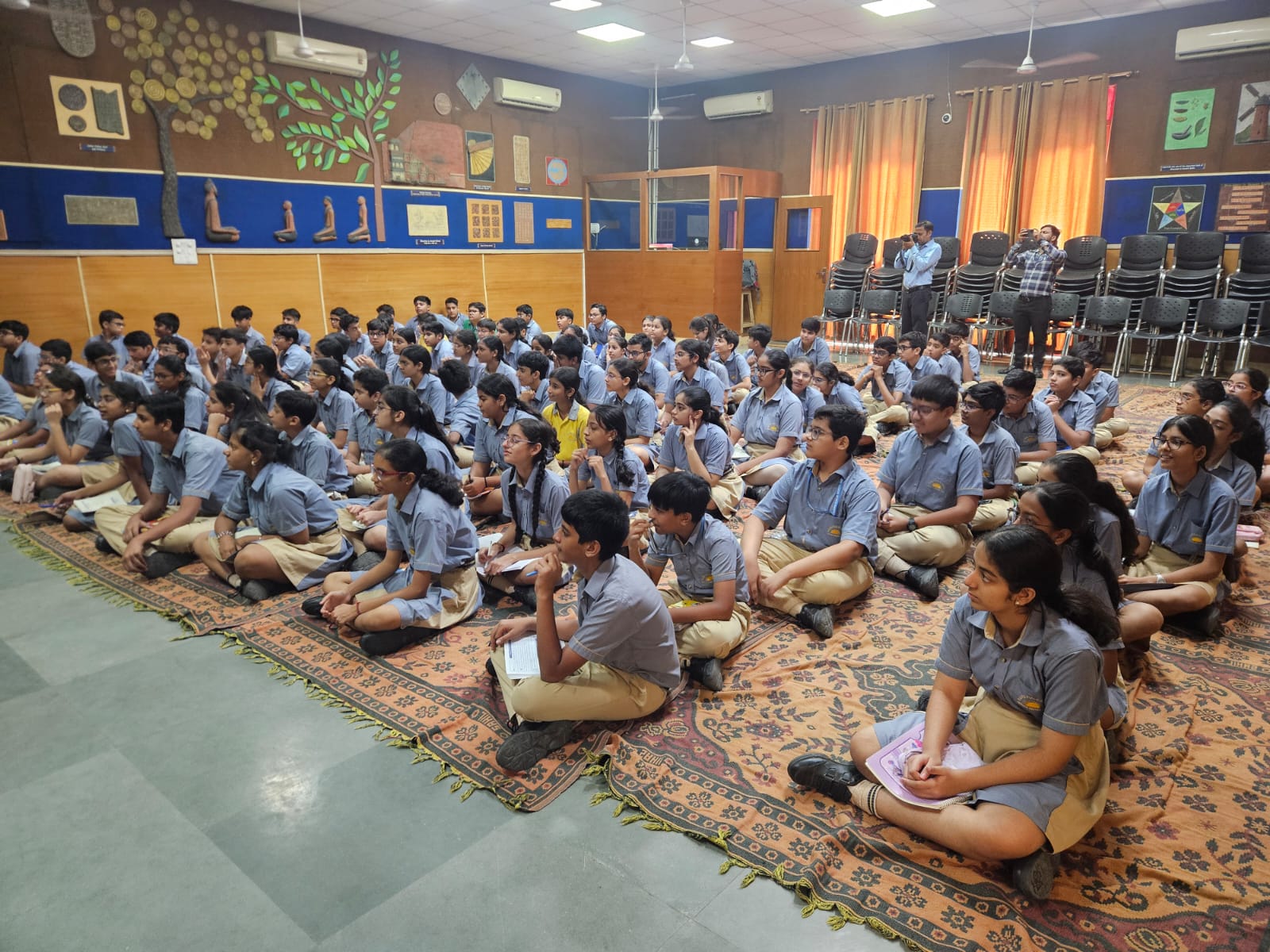
We conducted a session for Grade 8 students at Salwan Public School, Sector 15 Part II, Gurugram. The session covered what heritage means, why conservation matters, and the different kinds of value a monument can hold. A brief history of Delhi was told through its monuments, from the ancient to the colonial, not as a timeline of rulers, but as a sequence of decisions about what to build, where to build it, and for whom.
Student engagement throughout was strong. Questions came in from across the room. Several students had visited some of the sites we discussed and had never thought about them this way before.
A historian can decide a monument is worth saving. Only the next generation decides whether that decision survives them.